

Who handles shipping? Can your local installer work with the products you choose? If something arrives damaged or does not fit, who helps—and who pays to put it right?
This guide explains what to check and what to ask, so you can make decisions with a clearer picture of the costs, products and support involved. You can start these conversations even if your drawings and product choices are not final.
1. Check what you will pay beyond the product price
A quote for the products may not include everything needed to get them delivered and installed. Before comparing prices or setting your budget, ask where the quoted price stops: at the factory, at a port, or at your project address.
For example, shipping to your country’s port may be included, while import paperwork, local taxes, port charges and transport to your site remain your responsibility.
| Cost to check | What to ask |
|---|---|
| Products and accessories | Does the quote include the materials, hardware and accessories I selected? What must I buy separately? |
| Samples and design | Are samples, sample delivery, drawings or design services charged separately? |
| Packing and transport | Is export packing included? Where does the transport price start and end? |
| Import and port charges | Who handles the import paperwork, and which taxes and local charges will I pay? |
| Local delivery and unloading | Who delivers to the site? Do I need to arrange people or equipment to unload? |
| Installation | Is installation included? If I use a local installer, what information do they need to quote for the work? |
Ask for a written list of what is included, what you will pay separately, and which costs have not yet been confirmed.
For transport outside the supplier’s scope, share the product and packing details with a freight forwarder—a company that helps arrange shipping—and ask which transport, import and delivery services they can quote.
You can ask:
Please show which costs are included in your quote, which I will pay separately, and which cannot be confirmed yet.
Compare offers using the same products, specifications and delivery destination. A lower total may cover fewer items or a shorter part of the journey.
If you are preparing your first request, our guide to getting a materials quote from China explains what information you can send at different planning stages.
2. Confirm the details behind the products you choose
Product photos help you choose a style, but they do not show everything about the item you will receive. Two cabinets can look similar while using different boards, hinges or drawer runners.
Ask the supplier to record your chosen product details in the quotation or order. For cabinets, these may include the cabinet material, door finish, hardware and dimensions. If you select a particular hardware brand, confirm the model too.
Different ways of viewing a product answer different questions:
- Photos and live video help you see the actual model, visible details and how moving parts work.
- Material samples let you check colour, texture and surface feel. Ask for the material and colour reference so the choice can be identified later.
- A complete sample or showroom product lets you examine construction, edges and everyday use, such as opening a drawer.
- Dimensioned product drawings show the sizes and layout that will be made. These need to be checked against your site.
If you approve a sample, ask the supplier to identify it in your order and keep a matching reference for production. Keep your own sample or a clear record of what you approved.
If a chosen material or component becomes unavailable, ask the supplier to explain the proposed replacement and obtain your agreement before making the change. Similar appearance does not necessarily mean the same material or performance.
Before shipment, ask how the finished goods will be compared with your approved order and what records you can review. Photos and videos can show visible details and function. Checking dimensions, materials or other requirements may need an on-site inspection or appropriate testing.
For a larger or customized order, discuss whether to appoint an independent inspector. Agree on the checks and how any differences will be resolved before shipment.
You can ask:
How will you check the finished products against my approved order, and what can I review before shipment?
3. Agree on measurements, drawings and installation requirements
Send the supplier the drawings and measurements you already have, and explain whether they are final. If construction is underway, identify dimensions that may change.
Ask whether the supplier will prepare drawings showing the products they plan to make. These should include the sizes, layout and relevant details for your order. A 3D image helps you picture the room, but it may not contain the measurements needed for manufacturing.
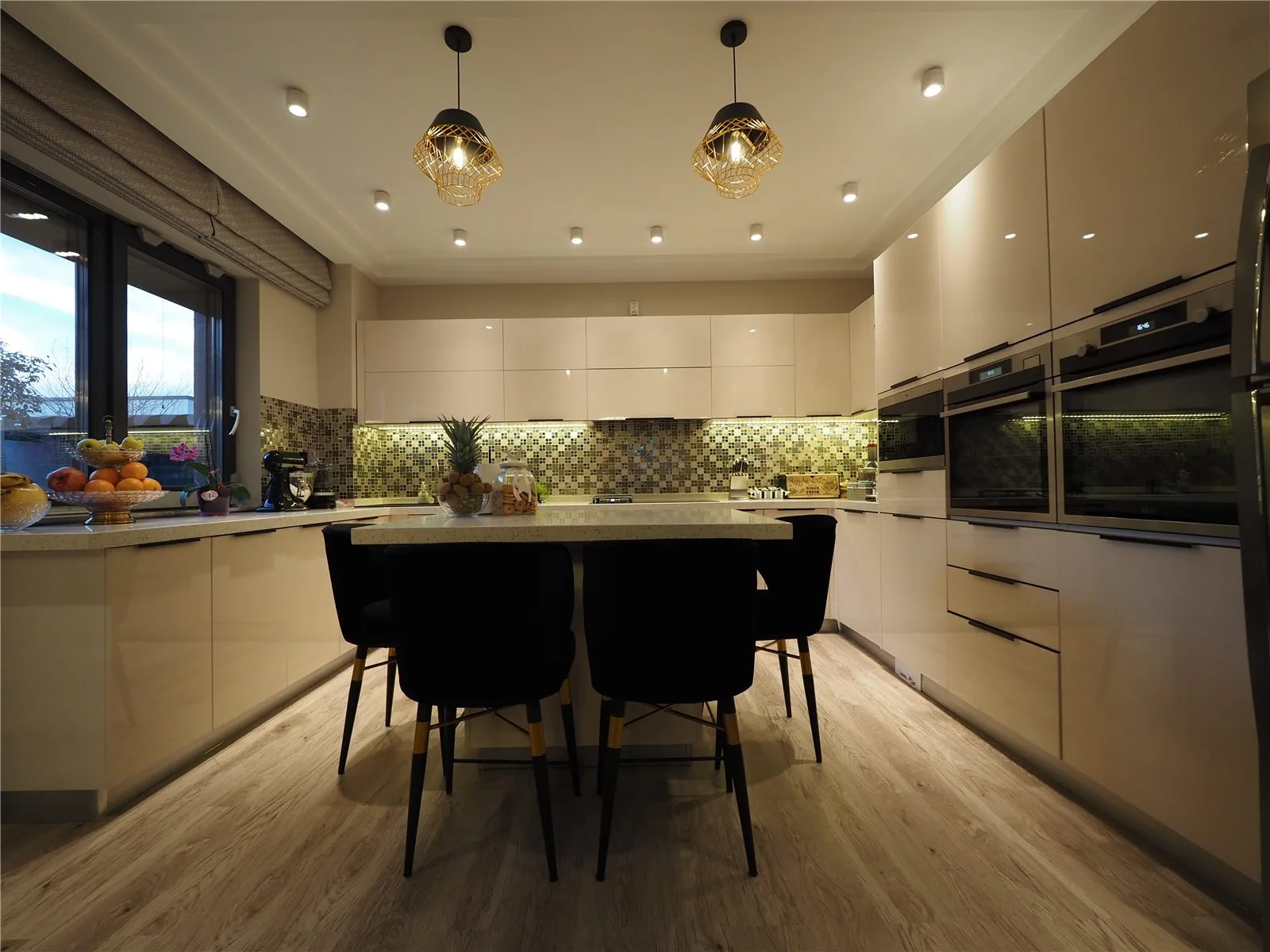
For example, a kitchen plan may show the cabinet layout. Before production, the supplier may also need final wall measurements, pipe and socket positions, and the dimensions of your selected appliances.
For doors and windows, confirm whether each measurement refers to the building opening or the product itself. Do not assume they are the same.
Before approving production, establish:
- Who measures the site and which dimensions still need checking.
- Which drawings the supplier will provide for your approval.
- Who will install the products locally.
- What the installer needs to check before production.
- How changes will be recorded and confirmed.
Ask your builder or installer to review the dimensions and installation details affecting their work. Resolve questions with the supplier and obtain updated drawings when changes are needed. Keep the final confirmed version.
Also check whether the selected products are suitable for use in your country. Ask your local designer, builder or relevant professional which requirements apply, then request the corresponding documents for the actual products being quoted. Check these before production.
You can ask:
What drawings and product information can you provide for my local builder or installer to review before we approve production?
4. Decide how you will view the products and assess the supplier
Visiting China can help you compare products, see finishes and discuss plans in person. If you cannot travel, ask what the supplier can show through live video, samples and documents for the products you are considering.
Choose the viewing method around the decisions you need to make:
| Viewing method | What to focus on |
|---|---|
| Showroom visit | Compare materials and hardware, try the products, and discuss choices using your plans. |
| Live video | Ask to see specific models, close-up details and moving parts, with questions answered during the call. |
| Delivered samples | Check finishes locally and share them with your designer or installer. |
| Similar project references | Find out what products and services the supplier actually provided. |
| Factory visit or assessment | Understand where the relevant products are made and how production and checks are handled. |
In a showroom, ask which products the company manufactures and which it supplies through other factories. Confirm who is responsible for your quotation, order, quality checks and after-sales support.
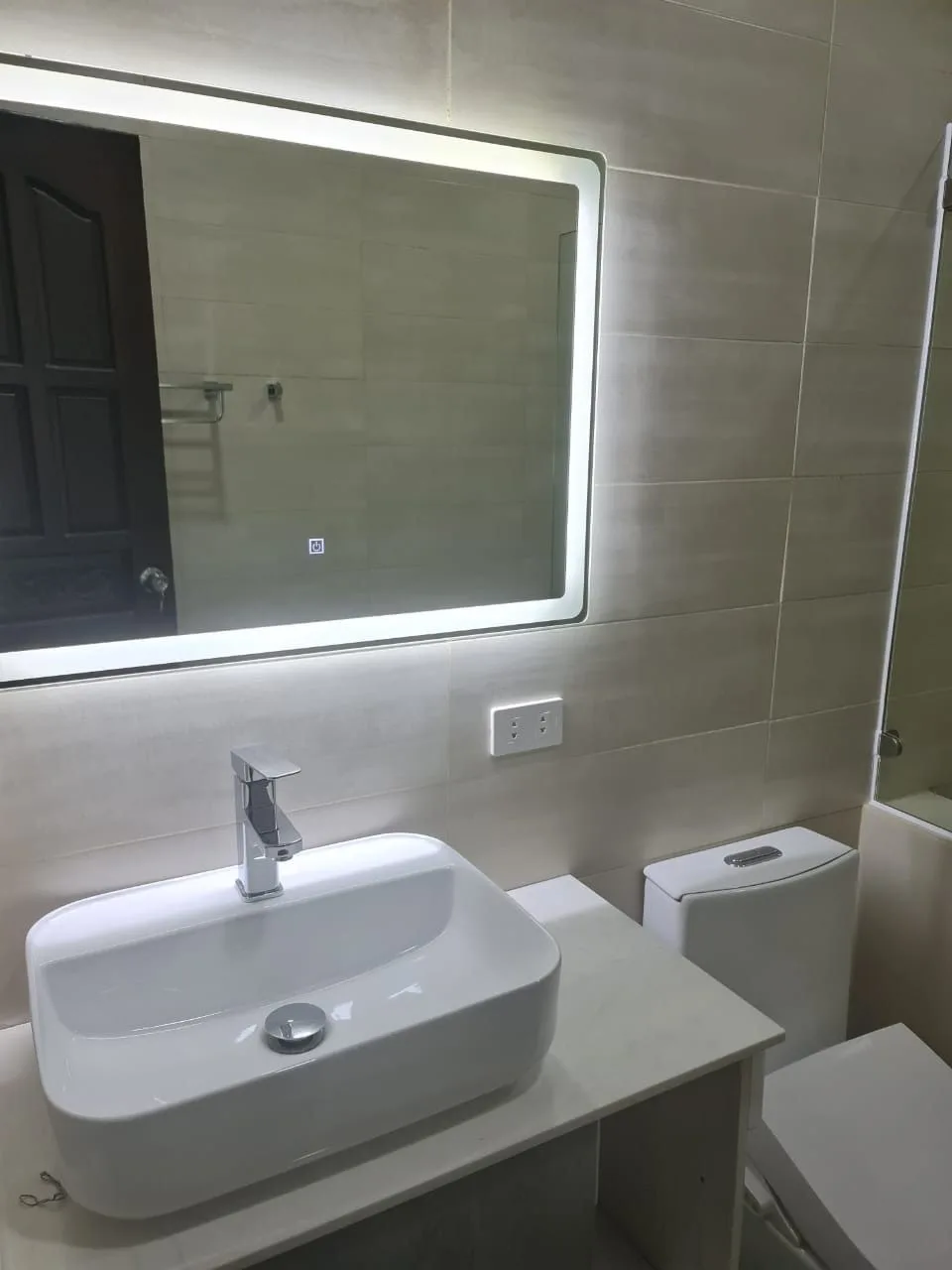
When reviewing a completed project, ask what the supplier actually provided. A finished-room photograph alone does not establish who supplied every item or carried out the installation. Our project references can be a starting point for discussing your requirements.
Before a visit or video call, send your product list, available drawings and questions. Ask the supplier to prepare relevant products and materials. Afterwards, request a written record of the choices made and anything still to be confirmed.
For more detail on assessing a company’s role and support, see our guide to choosing a Chinese supplier.
5. Plan delivery around when the products are needed on site
Tell the supplier where the goods need to go and when your installer expects to need them. Ask for a schedule covering production, shipping and delivery to the site.
Check what each date means. “Ready to ship” means the products are ready to leave; it does not mean they have arrived in your country or are available for installation.
Ask what must be confirmed before production time can be estimated. For custom products, this may include final measurements, drawings, materials and your approval.
If you are buying several product categories, confirm whether they will travel together or separately. Your cabinets might be ready before your windows, for example.
If they ship together, ask where completed goods will be kept while the remaining items are finished and whether storage charges apply. If some items are needed earlier, check the extra cost before choosing separate shipments.
Before dispatch, confirm:
- Destination: Does the arrangement cover a port, local warehouse or project address?
- Transport contact: Who books shipping and handles transport questions?
- Local arrangements: Who handles import paperwork and final delivery?
- Receiving the goods: Who will be notified, and what is needed for unloading?
- Packing list: Which products and packages are included in this shipment?
Share the packing list with the person receiving the goods so they can check the delivery and identify missing packages.
Explain any site access limits, such as a narrow road or no space for a large truck, before final delivery is arranged.
Arrival estimates can change. Before booking installers, confirm the latest delivery estimate with the people arranging transport and allow for possible changes.
6. Understand how damage, missing parts and errors will be handled
Before ordering, ask whom to contact if a product arrives damaged, has missing parts or differs from what you approved. Find out what information they need and whether there is a reporting deadline.
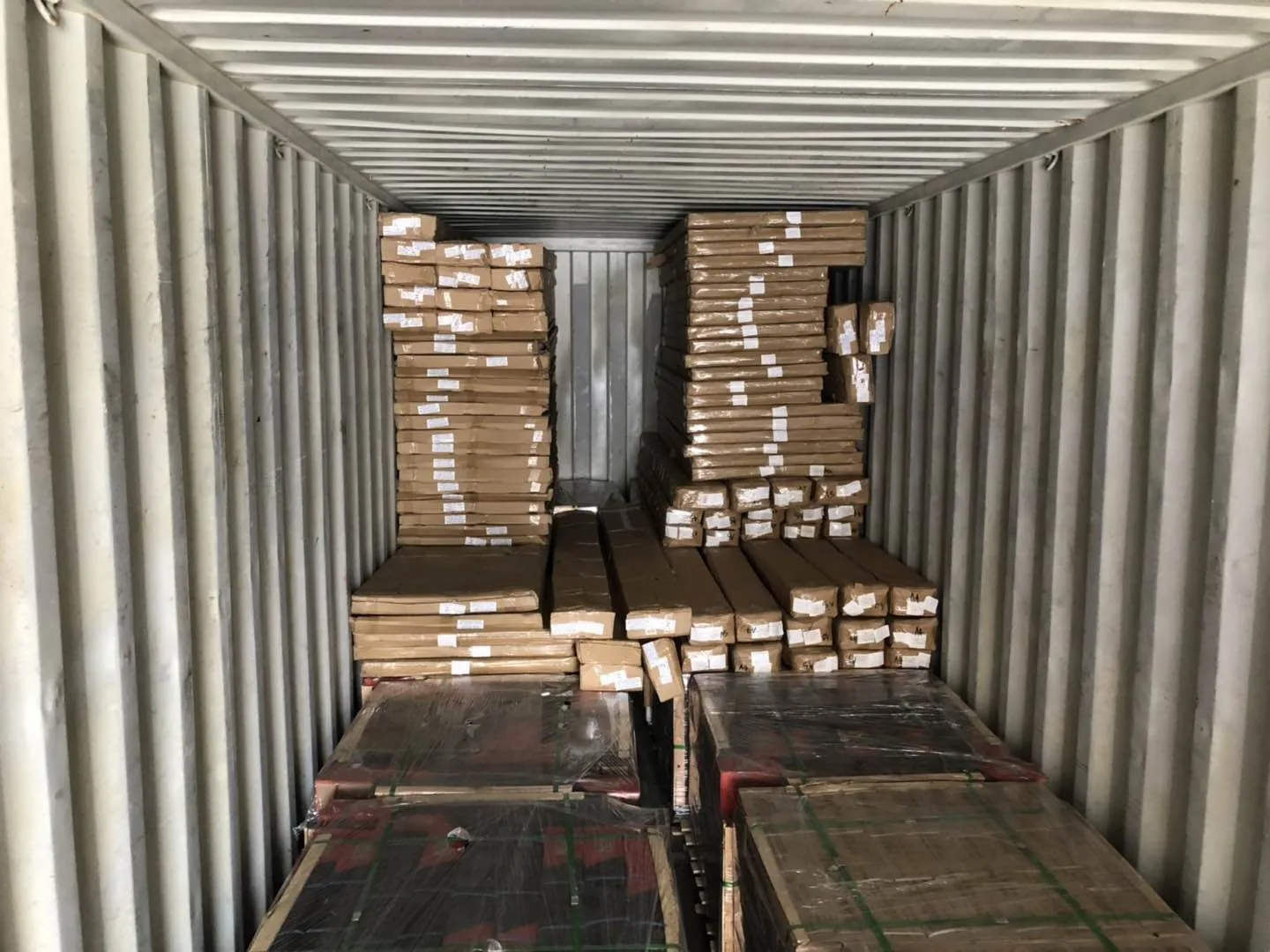
On arrival, check the delivery against the packing list. If you find damage, photograph the packaging, product and label. Keep the packaging until the supplier or transport company confirms whether it is needed for their review.
The solution depends on what happened. A missing handle may be resolved with a spare part. A cabinet made in a different size from the approved drawing may need to be remade. Transit damage may require the shipping company or insurer to review the evidence.
Ask how these situations will be handled before you pay.
| Point to confirm | What to ask |
|---|---|
| Proposed solution | Will you send a part, arrange a repair, replace the product or propose another solution? |
| Product and repair costs | Is the replacement charged? How would local repair costs be agreed? |
| Replacement transport | Who pays for packing, shipping and any import or local delivery charges? |
| Timing | Is the part available, or must it be made? When could it be sent, and by which method? |
| Installation | Can other work continue? What technical information can you provide to the installer? |
For example, “we will replace a damaged cabinet door for free” may refer only to the door. Ask whether packing and shipping are included, whether it needs to be made, and how long that is expected to take.
If your installer proposes a local repair, send the details and estimated cost to the supplier and agree on the arrangement before authorizing the work.
Keep the approved drawings, product details and written agreement together. They help both sides establish what was ordered and investigate a difference.
You can ask:
If this item arrives damaged or differs from the approved order, what will you do, which costs will you cover, and how will the replacement reach me?
Discuss your project and the questions you still have
Planning to source cabinets, bathroom products, doors, windows, furniture or other materials from China? Tell George Group what you need and where your project is.
Share the information you already have:
- The products you are considering and approximate quantities.
- Your project country and city.
- Any floor plans, measurements or reference photos.
- When you expect to need the products.
Your plans do not have to be final. Tell us what is still undecided and what you would like help understanding, such as product options, drawings, quotation details, shipping or support after delivery.
Our team can review your requirements, explain which products and services we can provide, and tell you what needs to be confirmed for a quotation.